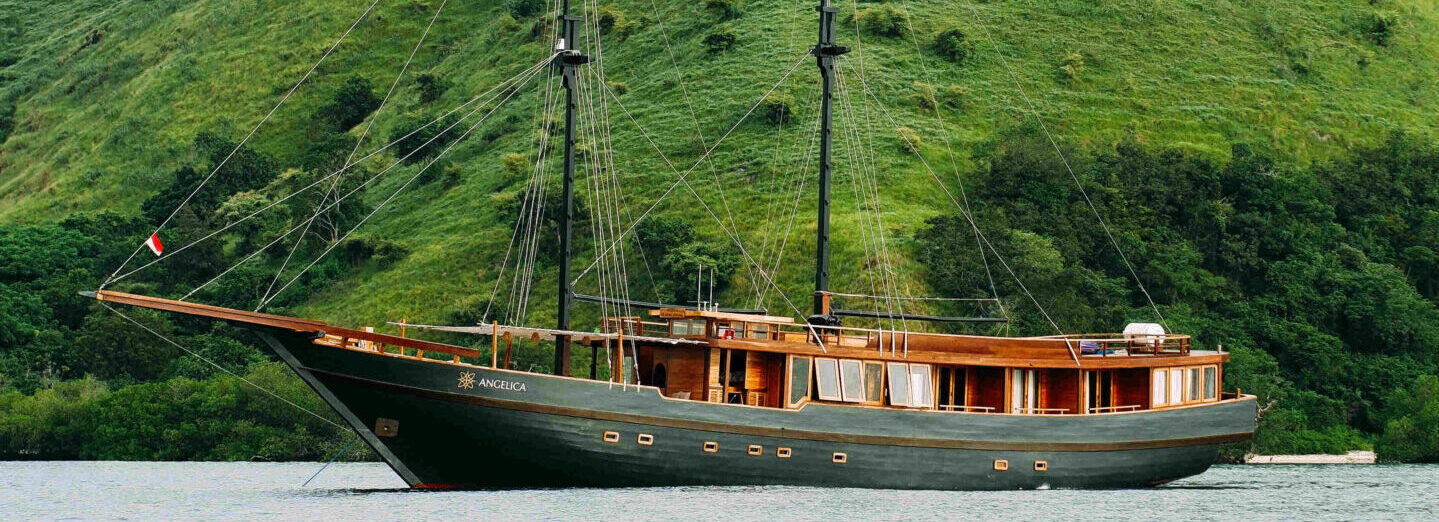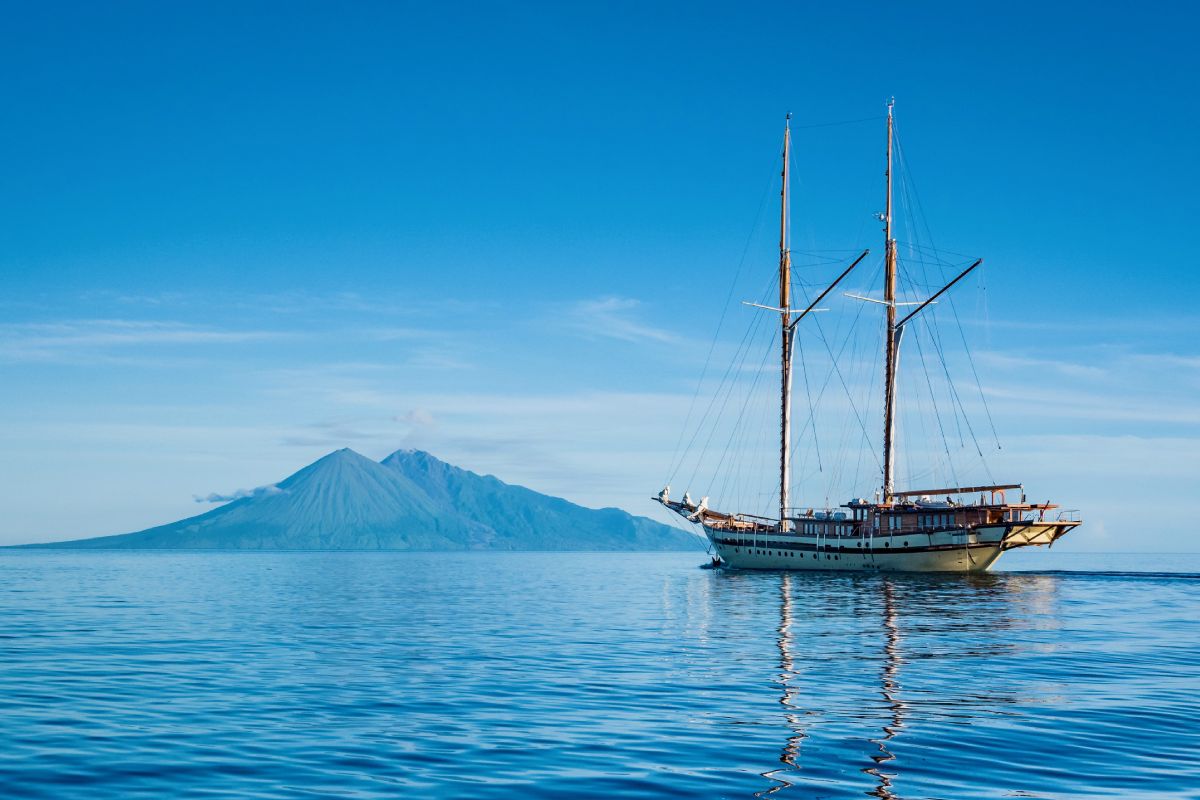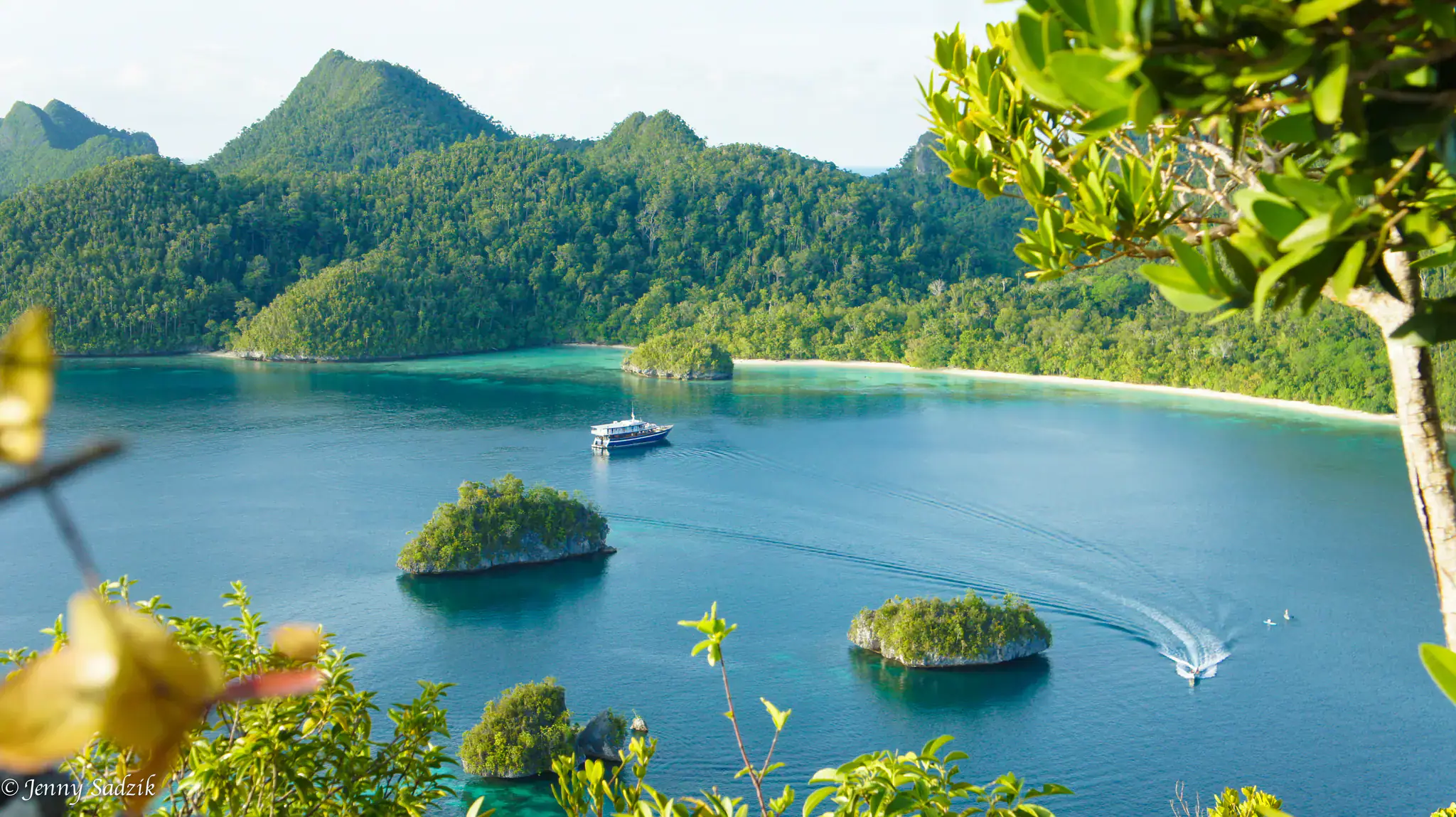
A Raja Ampat liveaboard is one of the most practical ways to experience a destination shaped by distance, water, and geography. With more than 1,400 islands, islets, cays, and reef systems spread across one of Indonesia’s richest marine regions, Raja Ampat is not a place where one fixed base can easily show you everything.
Why Does Raja Ampat’s Geography Make Travel Complicated?
Raja Ampat is not a single island destination. It is an archipelago where the beauty is scattered across remote channels, limestone cliffs, hidden lagoons, reef walls, villages, sandbanks, and uninhabited islands. While many travellers imagine staying in one place and taking simple day trips, the region’s geography limits that approach.
Official geopark data lists thousands of islands within the Raja Ampat area, while conservation sources highlight the region’s immense marine protected zones. This means the destination is not only wide but also ecologically complex. Distances between key sites can be long, sea conditions can vary, and some of the most beautiful areas are far from standard resort locations.
This is why a Raja Ampat liveaboard fits the destination so naturally. Instead of returning to the same accommodation every night, the boat becomes the moving base, allowing travellers to follow the geography rather than fight against it.
Why Is Boat Travel Better Than Staying in One Fixed Place?
A land-based stay can be relaxing, but it usually limits how much of Raja Ampat you can realistically explore. Resorts and homestays are tied to their location. From there, each activity depends on boat transfers, fuel planning, weather, distance, and timing.
A boat-based journey solves this problem by moving overnight or between activities. Guests can wake up closer to the next lagoon, reef, viewpoint, village, or diving area. This saves time and reduces the need for long back-and-forth transfers.
For travellers comparing a resort stay with a Raja Ampat liveaboard, the biggest difference is access. A liveaboard is not only accommodation. It is a travel system designed for movement across a fragmented seascape.
How Does a Liveaboard Improve the Island-Hopping Experience?
Island-hopping in Raja Ampat is not just about seeing more places. It is about seeing the right places at the right time. Morning light can completely change a viewpoint. Tides can affect lagoon access. Currents can shape the best time for snorkelling or diving. The weather can decide whether a route should move north, south, or stay sheltered.
A Raja Ampat liveaboard gives the crew more flexibility to adjust the route. If one area becomes windy, the itinerary can shift. If visibility is better elsewhere, the boat can move. If guests want a slower morning, the next stop may already be nearby.
This kind of flexibility is especially valuable in an archipelago where the journey itself is part of the experience. The sea is not just a route of transfer. It is the main highway.
What Makes Raja Ampat So Valuable for Marine Travel?
Raja Ampat is often described as one of the world’s most important marine biodiversity regions. The area sits within the Coral Triangle and is known for extraordinary coral and fish diversity. Raja Ampat Geopark highlights the region as a center of global marine biodiversity, with around 75% of coral species represented.
This makes marine travel more than a scenic activity. It becomes a way to understand why the area is protected, why responsible boating matters, and why visitors should respect local conservation rules.
For guests interested in Raja Ampat diving, travelling by boat can open access to a wider range of reefs and channels. A strong diving spot in Raja Ampat may be far from fixed accommodation, but reachable as part of a carefully planned sea route.
Is a Liveaboard Only for Divers?
No. This is one of the most common misconceptions. While Raja Ampat is famous for diving, a liveaboard can also suit snorkellers, photographers, couples, families, and travellers who simply want remote island scenery.
Many guests spend their days moving between viewpoints, kayaking, paddleboarding, swimming, visiting villages, relaxing on deck, or watching the sunrise over karst islands. The experience can feel like a Luxury yacht charter because comfort and mobility work together.
A yacht in Indonesia can offer access to places that feel untouched while still providing guests with a comfortable place to rest, dine, and enjoy the view. This balance is one reason why boat-based travel feels so well-suited to Raja Ampat.
How Does Raja Ampat Compare with Other Indonesian Sailing Routes?
Indonesia has several iconic yacht destinations, each with a different character. A Komodo yacht charter often focuses on dramatic dry islands, Komodo dragons, pink beaches, and strong underwater landscapes. A Banda Sea yacht charter may appeal to travellers who want remote history, volcanic islands, and deep-sea expedition routes.
By comparison, Raja Ampat feels like a marine maze. Its beauty comes from its spread-out geography, constant island silhouettes, and the feeling that every turn reveals another lagoon or reef passage. A Raja Ampat Yacht Charter is therefore less about one famous stop and more about the complete movement between many small wonders.
This is why The Yacht Club Indonesia and similar yacht specialists often position Raja Ampat as a journey best planned around route design, seasonality, comfort, and access.
Why Does Geography Matter for Comfort?
Remote beauty often comes with logistical challenges. Travellers need to consider sleeping arrangements, meals, transfers, route timing, electricity, water, safety equipment, and crew knowledge. In Raja Ampat, comfort is not only about luxury. It is about reducing friction.
A liveaboard keeps essentials close. Your room, meals, gear, guides, and daily plan move with you. This means less packing, fewer repeated transfers, and more time enjoying the destination.
For travellers planning a premium escape, this can make the experience feel smoother and more rewarding. The boat becomes a private base in a region where fixed infrastructure is naturally limited.
What Should Travellers Consider Before Booking?
Before choosing a liveaboard, travellers should think about group size, cabin comfort, route options, crew experience, diving or snorkelling goals, and the best season for travel. They should also ask how the itinerary balances famous sites with quieter locations.
The best trips are not always the ones that promise the longest list of stops. In Raja Ampat, quality depends on timing, spacing, weather awareness, and local knowledge. A rushed route can feel tiring, while a well-paced route lets the geography unfold naturally.
It also helps to understand conservation expectations. Raja Ampat’s Marine Protected Area network covers a vast area, and visitors should follow park rules, avoid touching coral, respect village customs, and travel with operators who value responsible practices.
Final Thoughts
Raja Ampat is better explored by boat because its geography demands movement. The region is too scattered, too marine-focused, and too varied to be fully appreciated from one fixed point. A liveaboard turns the challenge of distance into the pleasure of discovery.
For travellers who want hidden lagoons, remote reefs, quiet anchorages, and a deeper sense of the archipelago, boat-based travel offers the most natural way to experience Raja Ampat. It follows the shape of the destination itself: island to island, channel to channel, and sunrise to sunset across one of Indonesia’s most extraordinary seascapes.