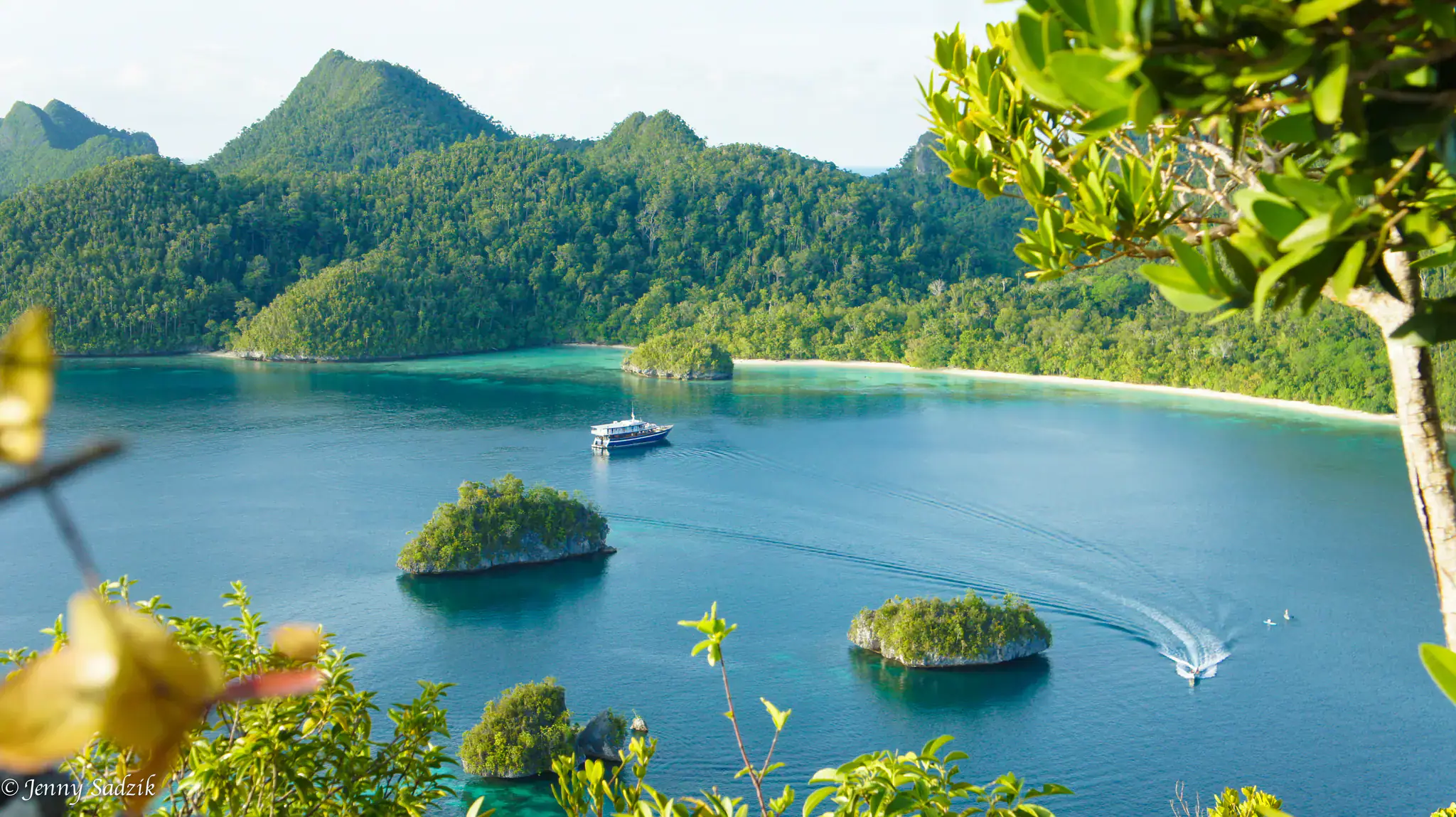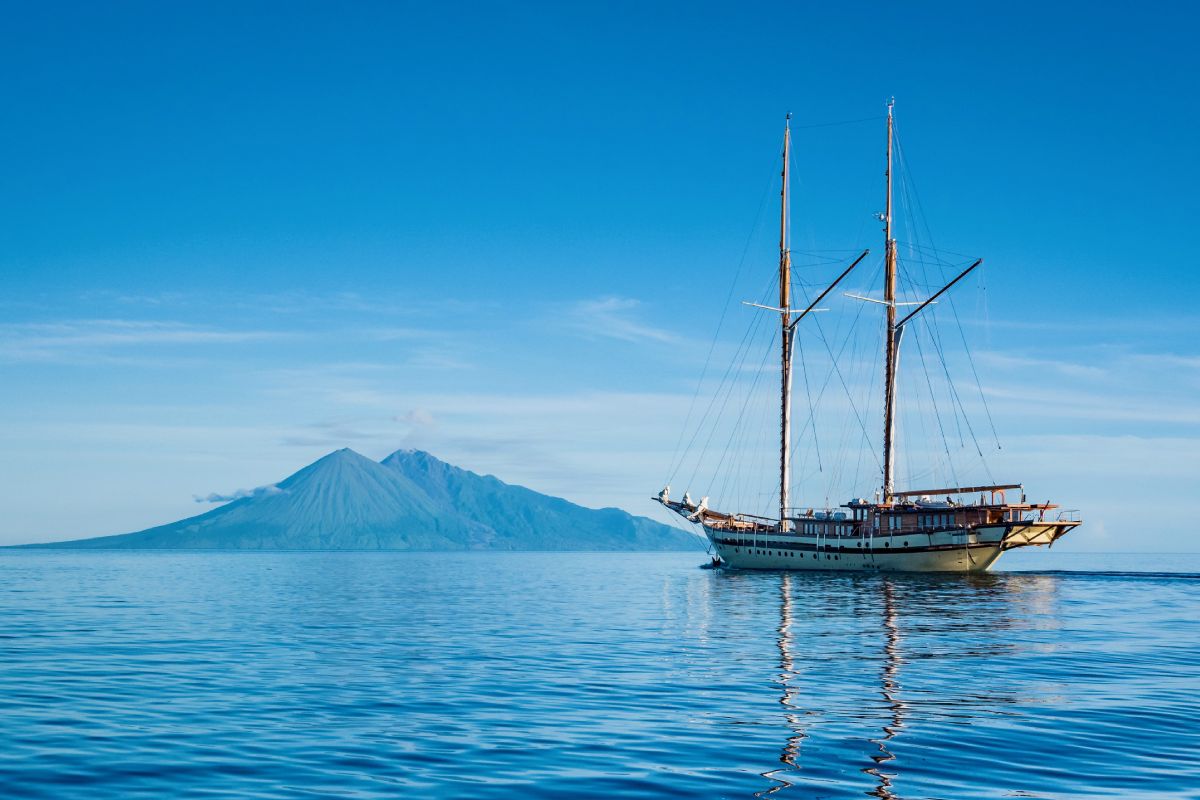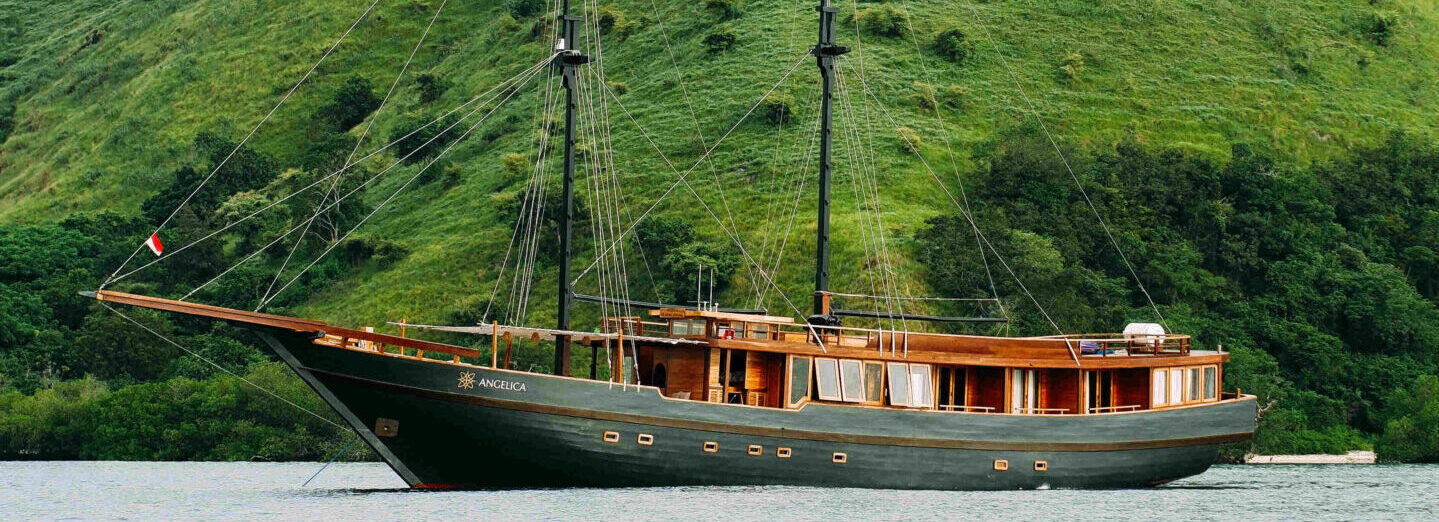
A Komodo liveaboard is one of the most immersive ways to explore the islands, reefs, beaches, and dramatic viewpoints of Komodo National Park. Instead of returning to land after each stop, travellers sleep at sea and wake up closer to the next destination, creating a smoother and more atmospheric way to experience Flores, Komodo, Rinca, Padar, and the surrounding islets.
Why Sleeping at Sea Changes the Whole Experience
Komodo National Park is not designed for a rushed visit. The destination spans major islands such as Komodo, Rinca, and Padar, with many smaller islands and marine areas in between. UNESCO recognises Komodo National Park as a World Heritage Site, and the park covers around 173,300 hectares according to the UNEP World Heritage datasheet.
This geography is exactly why sailing works so well. A land-based traveller has to move from hotel to harbour, then from harbour to island, then back again. A boat-based traveller simply moves with the landscape. Morning can begin with a sunrise trek, midday can be spent snorkelling over coral gardens, and evening can unfold from the deck as the islands turn gold.
What Makes This Route Different from a Normal Boat Trip
A Komodo liveaboard is not only transportation. It becomes your hotel, restaurant, viewing deck, and base for daily adventure. Hello Flores presents its liveaboard selection as a way to explore Flores and Komodo aboard traditional Indonesian Phinisi, with boat options ranging from private charters to cabin or shared trips. The page also notes different budget ranges, including comfort, luxury, and ultimate charter levels.
This matters because Komodo has different types of travellers. Some want a compact three-day journey, while others prefer a longer sailing route with more time for diving, beaches, and quiet anchorages. The best experience depends on comfort level, cabin style, crew quality, route design, and how much time guests want to spend at sea.
Key Highlights Usually Included on the Route
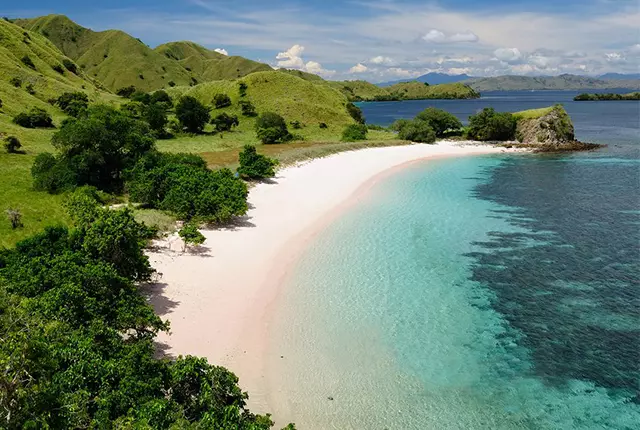
Most sailing itineraries from Labuan Bajo include a mix of iconic and quieter stops. Padar Island is famous for its viewpoint, Pink Beach for its coral-tinted sand, Manta Point for snorkelling or diving encounters, and Kalong Island for the sunset flight of flying foxes. Rinca or Komodo Island is usually included for guided Komodo dragon viewing with park rangers.
A Komodo liveaboard is especially useful because many of these stops are spread across the park. Travellers can avoid cramming everything into one exhausting day and instead enjoy the destination at a slower pace. This is the main value of liveaboard travel: the journey itself becomes part of the experience.
Useful Data for Planning
There are a few numbers travellers should keep in mind. Labuan Bajo is the main gateway, and Komodo International Airport recorded 133,153 air passengers in July 2025, including 65,783 arrivals and 67,370 departures, according to BPS Manggarai Barat. Sea transport was also active, with 132,687 passengers in the same month.
This shows how important Labuan Bajo has become as a tourism hub. During peak months, boats, cabins, flights, and hotels can fill quickly. Travellers should plan early, especially for popular sailing months when the sea is calmer, and visibility is better for snorkelling and diving.
Best Time to Sail
The dry season is generally the most attractive period for sailing in Komodo. Hello Flores notes that May to August is a recommended time for sailing, while the rainy season can bring rougher conditions and less predictable weather.
For travellers who want fewer crowds, shoulder months can also be attractive. April, September, and October may offer a good balance between weather, availability, and atmosphere. Divers should also consider current conditions, as some of Komodo’s best underwater sites are affected by tides and seasonal movement.
Who Should Choose This Trip
A liveaboard is ideal for travellers who want more than a quick photo stop. Couples can enjoy a romantic sailing rhythm, families can use the boat as a comfortable base, and groups of friends can turn the journey into a private adventure. A Komodo liveaboard also works well for travellers who want a mix of trekking, snorkelling, wildlife, and downtime.
The experience may not suit travellers who dislike sleeping on water or who only have one free day. But for anyone with three days or more, it offers a far richer way to understand the national park.
Komodo is best experienced slowly. The islands are dramatic, the sea is full of life, and many of the most memorable moments happen between destinations: a sunrise from the deck, a quiet swim after lunch, or a sunset watched from open water. For travellers who want comfort, access, and atmosphere in one journey, sailing through Komodo is one of Indonesia’s most rewarding travel experiences.