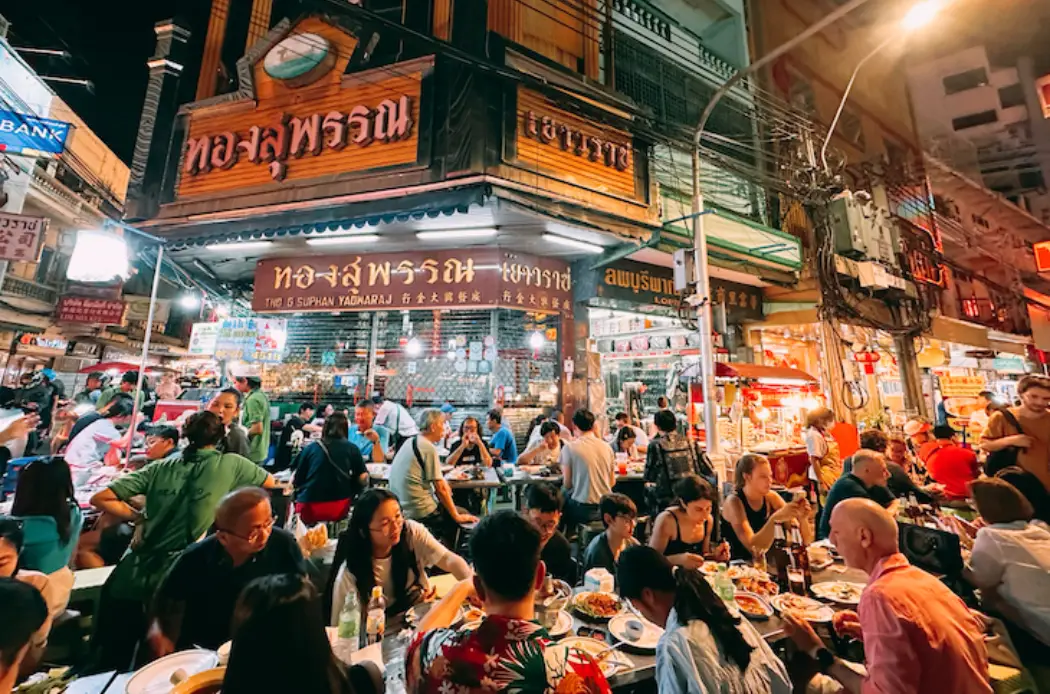
The best trips are often remembered through food. More than landmarks or hotel rooms, it is the flavours, aromas, and shared meals that stay with us long after we return home. That is why culinary travel experiences have become such an important part of modern travel. They offer more than a chance to eat well. They create a deeper connection to culture, place, and people, turning every meal into part of the journey itself.
Why Food Has Become a Reason to Travel
Food is no longer just something travellers fit into their itinerary between sightseeing stops. For many people, it has become one of the main reasons to choose a destination in the first place. A city known for its street food, a coastal village famous for seafood, or a region celebrated for its local produce can shape an entire travel plan.
This is because food tells a story. It reflects climate, geography, migration, tradition, and identity. A bowl of soup, a grilled fish dish, or a pastry recipe passed through generations carries cultural meaning in a way that feels immediate and personal. Travellers are not only looking for beautiful places anymore. They also want memorable, sensory moments that feel authentic.
What Makes Culinary Travel More Meaningful
Not every good meal becomes a meaningful travel memory. What makes food special while travelling is context. A dish enjoyed in its place of origin often feels different because it is tied to the local rhythm of life. It may be served in a family-run restaurant, bought from a morning market, or eaten by the sea after a long day exploring.
That is why culinary travel experiences stand out. They are not about luxury alone or about eating at the most famous restaurant. They are about discovering how local people live, celebrate, and gather. Even a simple meal can become unforgettable when it is connected to a place in a genuine way.
Travellers often remember the small details most clearly: the sound of a busy kitchen, the smell of grilled spices in the air, or the warmth of a host explaining the ingredients with pride. These are the moments that give food emotional value.
Markets, Street Food, and Local Kitchens
One of the best ways to understand a destination is through its food environment. Local markets are often full of clues about what matters to a community. Fresh herbs, seasonal fruits, handmade sauces, regional sweets, and seafood displayed early in the morning all reveal something about the local lifestyle.
Street food is equally important. It is often where some of the boldest and most honest flavours can be found. It also makes local food culture feel more accessible. A small food stall or roadside cart can offer an experience just as memorable as an elegant restaurant, sometimes even more.
Cooking classes and chef-led tastings also continue to grow in popularity because they allow visitors to move from passive eating to active participation. Instead of simply ordering a dish, travellers begin to understand why it is made that way, how ingredients are chosen, and what traditions shaped it.
How Culinary Travel Builds Cultural Connection
Food can remove barriers in a way few other travel experiences can. Even when language is limited, sharing a meal creates comfort and connection. It opens conversations and invites curiosity. Asking about a recipe or trying a local speciality often leads to a more human exchange than following a standard tourist route.
This is one reason culinary travel experiences appeal to so many different types of travellers. Couples, solo travellers, families, and groups can all connect through food. It suits both relaxed holidays and more immersive journeys. It can be spontaneous, like discovering a hidden café, or carefully planned, like visiting a vineyard or farm.
Food also encourages travellers to slow down. Instead of rushing from one attraction to another, they pause, observe, and enjoy the place more fully. That slower pace often leads to richer memories.
Choosing a Destination Through Its Flavours
When planning a trip, it helps to think beyond famous attractions and ask a different question: what does this place taste like? That simple shift can completely change the way a destination is experienced.
A coastal destination may offer grilled catch-of-the-day dinners, tropical fruits, and oceanfront breakfasts. A mountain town may be known for slow-cooked comfort dishes and regional cheeses. A historic city might be best explored through bakeries, family restaurants, and traditional markets. The point is not to chase every trending food spot, but to find experiences that feel rooted in the destination.
Travellers who choose destinations with food in mind often return home feeling they understood the place more deeply. They have not only seen it. They have tasted it.
The Lasting Value of Food-Led Travel
Travel trends change, but food remains one of the most enduring ways to experience a place. It is emotional, social, and memorable. It brings together pleasure and discovery in a way that feels natural. The most rewarding trips are often the ones where food is treated as part of the destination, not just a practical need.
In the end, great travel is about connection, and food creates that connection beautifully. Whether it happens through a market visit, a cooking class, a long lunch, or a simple local dish served with pride, the most meaningful journeys often begin at the table. That is why culinary travel experiences continue to shape how people explore the world, one unforgettable meal at a time.