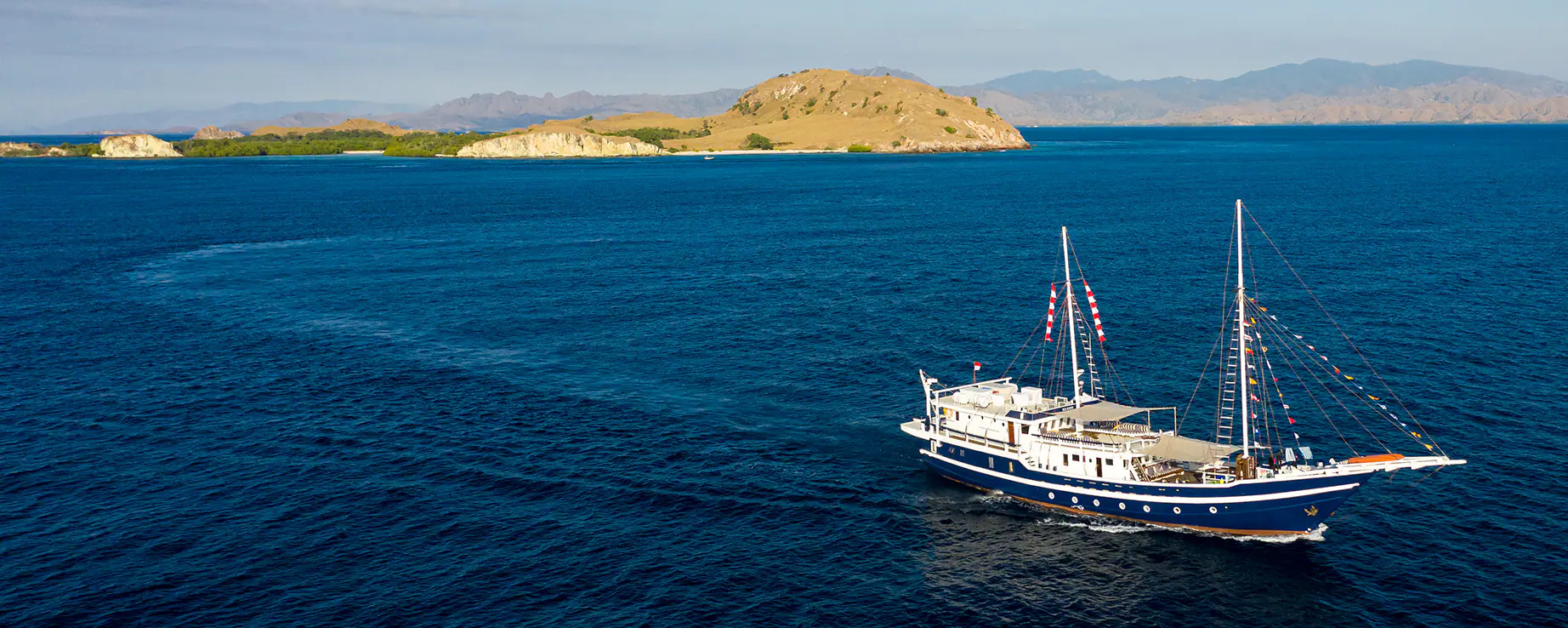
Raja Ampat diving has long captivated adventurers with its pristine waters and vibrant marine life, and at the heart of this underwater paradise is Max Ammer, a Dutch dive master whose 30-year journey has transformed the region. Known for founding the Papua Diving Resort, Ammer has become a beacon of sustainable travel. Advocating for eco-friendly practices amid the challenges posed by nickel mining. This inspirational story not only celebrates his dedication but also offers actionable tips for eco-conscious tourists looking to explore Raja Ampat responsibly.
Max Ammer’s 30-Year Journey in Raja Ampat
Max Ammer’s love affair with Raja Ampat began over three decades ago, blending his skills as a pilot with a passion for diving. His frequent visits to this Indonesian gem allowed him to witness its untouched beauty, from coral reefs teeming with life to remote islands brimming with biodiversity. Recognizing the need to protect this ecosystem, Ammer established the Papua Diving Resort, the first of its kind in Raja Ampat. This resort stands as a testament to his commitment, offering a model of eco-tourism that prioritizes environmental preservation over profit. His hands-on approach includes working closely with local communities, ensuring that tourism benefits the region without depleting its natural resources.
Also read The Pros and Cons of Komodo Liveaboard Life: Freedom on the Waves
The Papua Diving Resort: A Model for Eco-Friendly Diving
The Papua Diving Resort, under Ammer’s guidance, sets a high standard for sustainable Raja Ampat diving. Unlike conventional resorts, it minimises its ecological footprint by using solar energy, reducing plastic waste, and supporting marine conservation projects. Ammer’s vision includes training local staff as dive guides, empowering the community while preserving cultural heritage. The resort avoids areas impacted by nickel mining, a growing threat to Raja Ampat’s coral reefs due to sedimentation and habitat destruction. By choosing such locations, Ammer ensures that divers experience the region’s untouched beauty while contributing to its longevity, making it a must-visit for environmentally conscious travellers.
Challenges of Nickel Mining and Ammer’s Advocacy
Nickel mining in Raja Ampat has sparked controversy, with permits for some operations recently revoked by the government. Ammer, a vocal advocate, doesn’t oppose mining outright but stresses the need for environmentally friendly methods. He has observed the damage firsthand, particularly on Pulau Manoram, where decades of mining have degraded coral ecosystems critical to marine life. This advocacy aligns with his sustainable travel ethos. Urging divers to avoid areas mined for tourism and support initiatives that protect Raja Ampat’s diving spots. His balanced perspective highlights a path forward, striking a balance between human needs and the preservation of nature.
Practical Tips for Sustainable Raja Ampat Diving
For eco-conscious tourists, Raja Ampat offers a chance to dive responsibly with these practical tips inspired by Ammer’s practices:
- Support Local Communities: Book stays and tours with local operators, such as Papua Diving Resort, to support the local economy and help reduce exploitation.
- Avoid Mined Areas: Research dive sites to steer clear of regions affected by nickel mining, preserving coral health and marine biodiversity.
- Reduce Waste: Bring reusable water bottles and avoid single-use plastics, aligning with the resort’s goal of zero waste.
- Respect Marine Life: Follow no-touch diving rules to protect corals and sea creatures, ensuring future generations can enjoy Raja Ampat diving.
- Choose Eco-Friendly Gear: Opt for sustainable dive equipment and support brands that prioritize environmental impact.
These steps empower travelers to leave a positive mark, mirroring Ammer’s dedication to sustainability.
Why Sustainable Travel Matters in Raja Ampat
Raja Ampat’s allure lies in its untouched marine ecosystems. Still, threats such as mining, climate change, and irresponsible tourism jeopardise its future. Ammer’s work underscores the importance of sustainable travel, showing how tourism can coexist with conservation. By visiting responsibly, tourists help support local conservation efforts and alleviate pressure on fragile reefs. His story inspires a movement where every dive supports the region’s health, making Raja Ampat diving a leader in eco-tourism.
Planning Your Sustainable Dive Trip
Planning a trip to Raja Ampat diving requires intentional choices. Start by contacting the Papua Diving Resort for tailored eco-friendly packages, available year-round with peak seasons from October to April. Check weather forecasts and book in advance to secure spots, especially during dry months. Pack light with sustainable gear, and prepare to engage with locals to learn about their conservation efforts. Ammer’s guidance ensures your adventure aligns with preserving this paradise.
The Legacy of Max Ammer
Max Ammer’s legacy in Raja Ampat is one of passion and action. His 30-year journey has not only elevated Raja Ampat diving but also set a global example for sustainable tourism. By blending adventure with environmental stewardship, he invites divers to join a movement that protects one of the world’s richest and most biodiverse marine regions. His story is a call to action for all travelers to dive responsibly and support the natural wonders of Raja Ampat.
As you plan your next dive, let Ammer’s principles guide you. Sustainable travel isn’t just a choice—it’s a commitment to preserving Raja Ampat’s beauty for future generations. Start your eco-friendly diving journey today and make a difference with every dive!