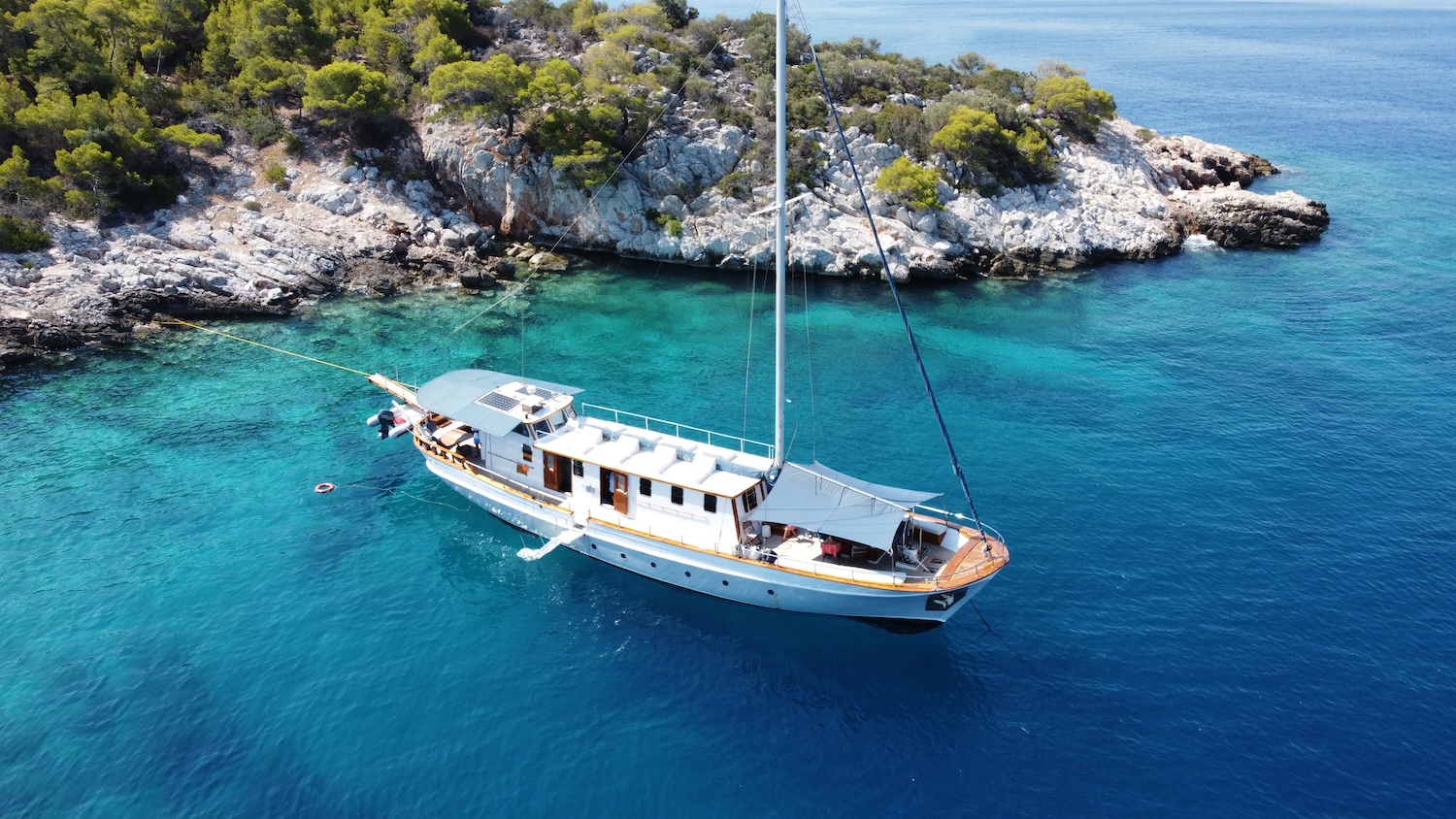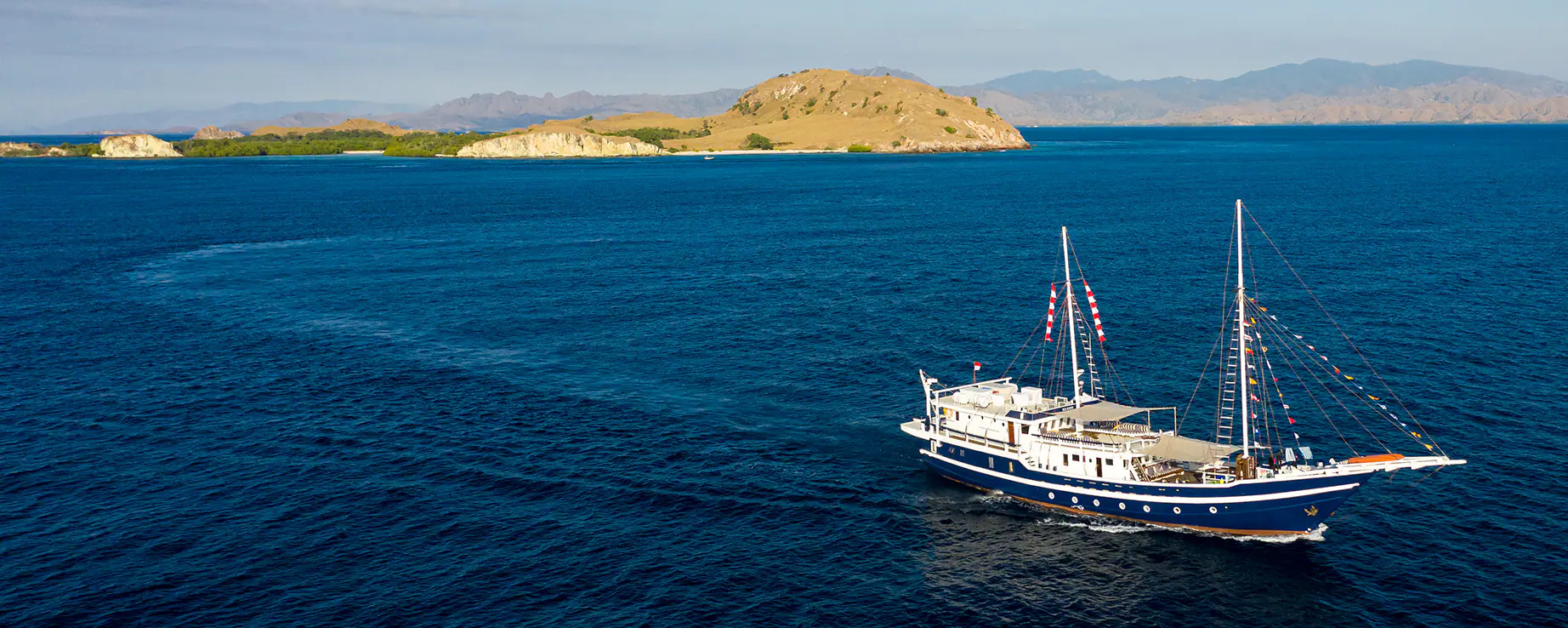
Whether you’ve just earned your certification or have dozens of logged dives, becoming a better diver requires more than simply spending time underwater. One of the fastest ways to build confidence, refine techniques, and explore different underwater environments is to join a dive cruise.
Unlike day trips that typically allow one or two dives before returning to shore, a dive cruise immerses you in diving for several consecutive days. This creates a unique learning environment where every dive builds upon the last.
According to PADI, divers who regularly practice key skills and log dives consistently tend to maintain buoyancy control, air consumption, and situational awareness more effectively than those who dive only occasionally. A liveaboard environment naturally encourages this consistency, making it one of the most effective ways to accelerate your progress.
If you’re planning your next underwater adventure, explore the best dive cruise in Indonesia to discover itineraries that combine world-class diving with meaningful skill development.
Why Repetition Is the Secret to Becoming a Better Diver
Like any skill, diving improves through repetition.
A typical day trip may offer only two dives, often weeks or months apart from your previous adventure. On a multi-day dive cruise, however, divers commonly complete three to four dives per day over several days.

That means you could log:
- 12 dives in four days
- 16 dives in five days
- More than 20 dives during longer expeditions
This focused experience helps your body and mind become increasingly comfortable underwater. Tasks such as equalization, buoyancy adjustments, finning techniques, and underwater communication gradually become second nature.
Instead of “relearning” your skills every vacation, you’re continuously reinforcing them.
You’ll Dive in More Challenging Conditions—Safely
Confidence comes from experience.
One of the greatest advantages of a dive cruise is exposure to a wide variety of dive environments under the supervision of experienced professionals.
During a single itinerary, you may encounter:
- Drift dives
- Wall dives
- Coral gardens
- Deep reefs
- Night dives
- Macro dive sites
- Strong current channels
Experiencing diverse conditions helps divers become adaptable rather than comfortable only in ideal circumstances.
For example, Raja Ampat Diving introduces divers to nutrient-rich currents that attract extraordinary marine life, while Diving Komodo teaches divers how to navigate stronger currents safely. Triton Bay Diving often rewards patience with encounters featuring whale sharks, whereas Halmahera Diving offers pristine reefs with remarkably low diver traffic.
Each destination strengthens a different aspect of your diving abilities.
Learn Directly From Experienced Dive Professionals
One overlooked benefit of liveaboards is access to experienced dive guides throughout the entire trip.
Unlike day excursions where guides often rotate between groups, a Diving Liveaboard gives you multiple days with the same dive team.
This allows guides to observe:
- Your buoyancy
- Air consumption
- Trim position
- Finning technique
- Underwater awareness
Many naturally provide personalized advice after each dive.
These small adjustments—such as improving breathing rhythm or refining body position—often lead to dramatic improvements over the course of a week.
Better Buoyancy Means Better Diving
Poor buoyancy affects almost every aspect of diving.
Divers with unstable buoyancy often:
- Consume more air
- Tire more quickly
- Accidentally damage coral reefs
- Miss marine life while adjusting position
During consecutive dives on a liveaboard, buoyancy gradually improves through constant practice.
As movement becomes more controlled, divers begin focusing less on themselves and more on observing the underwater world.
This creates a safer experience while also supporting responsible reef conservation.
Every Dive Becomes a New Lesson
One advantage rarely discussed is the variety of marine ecosystems encountered on Indonesian itineraries.
Research by Conservation International identifies Indonesia as the global center of marine biodiversity, containing more than 76% of the world’s coral species and over 2,000 reef fish species.
Because every dive site differs, divers naturally develop stronger observation skills.
You learn to recognize:
- Fish behavior
- Coral formations
- Current direction
- Entry and exit techniques
- Navigation patterns
No classroom can fully replicate this real-world learning.
You’ll Become a More Efficient Diver
By the third or fourth day, many divers notice significant improvements beyond their underwater performance.
Simple routines become automatic:
- Preparing equipment faster
- Performing buddy checks efficiently
- Managing dive computers confidently
- Planning dives more effectively
- Conserving air naturally
These habits reduce stress before each dive and allow more mental energy for enjoying the experience.
Diving With Different People Expands Your Knowledge
A dive cruise also becomes an opportunity to learn from fellow divers.
Guests often include:
- Underwater photographers
- Marine biologists
- Technical divers
- Dive instructors
- Experienced travelers
Sharing stories and techniques between dives creates valuable learning opportunities that extend beyond formal instruction.
Many divers discover new equipment, photography techniques, or conservation insights simply through conversations onboard.
Choosing the Right Liveaboard Matters
Not every liveaboard delivers the same learning experience.
Smaller vessels often provide:
- Lower diver-to-guide ratios
- More personalized briefings
- Flexible dive planning
- Better access to remote dive sites
Whether you’re considering the Best Raja Ampat Liveaboard, the elegant Seahorse liveaboard, or the comfortable Ambai Liveaboard, selecting a vessel that matches your experience level and learning goals can significantly enhance your trip.
The right crew doesn’t simply guide dives—they help you become a better diver.
Is a Dive Cruise Worth It for Skill Development?
If your goal is to improve beyond simply collecting dive logs, the answer is yes.
A dive cruise combines repetition, professional guidance, diverse environments, and immersive learning in ways that shore-based diving rarely can.
Rather than spreading ten dives across an entire year, you experience them within a focused environment where each dive reinforces the last.
The result isn’t just more dives.
It’s better diving.
If you’re planning your next underwater adventure, explore the <a href=”https://wallacea-divecruise.com/cruises”>best dive cruise in Indonesia</a> to discover itineraries that combine world-class diving with meaningful skill development.