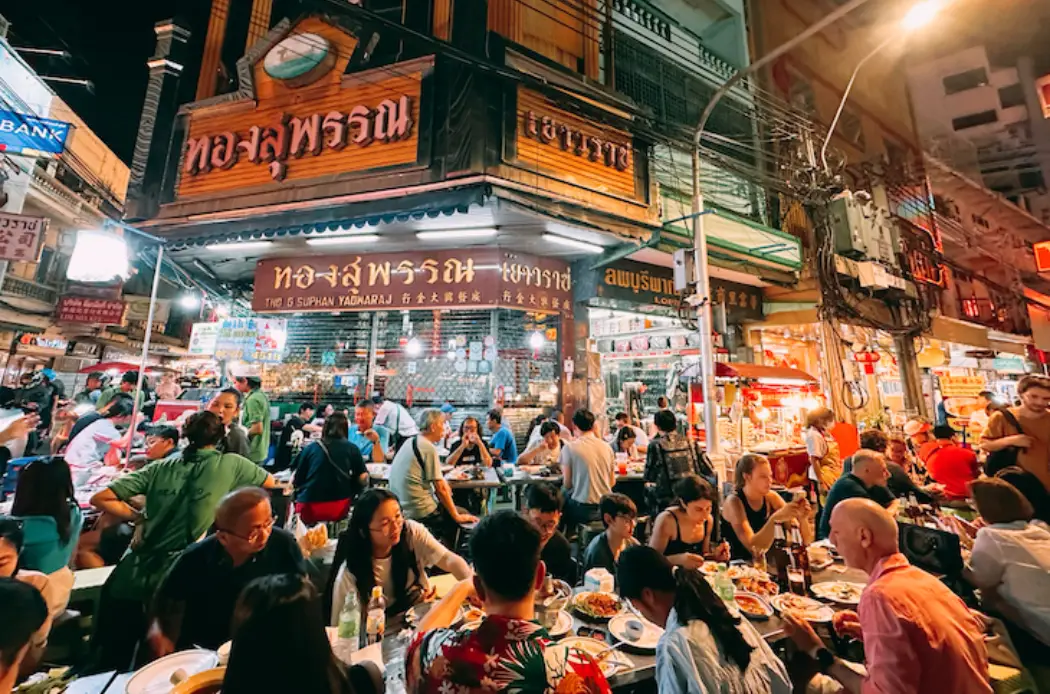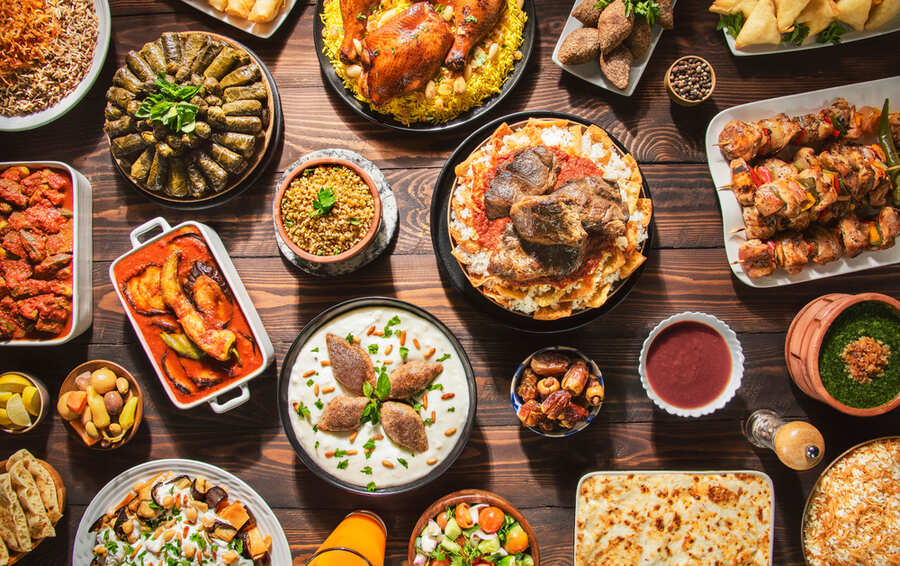
Indonesia, a vibrant tapestry of cultures and traditions, celebrates Ramadhan with immense devotion and a delightful explosion of culinary experiences. For the month of Ramadan, families and communities come together to break their fast, known as Iftar, with an abundance of delicious dishes. This article delves into the world of Indonesian Iftar, exploring the diverse Ramadhan culinary creations that grace tables across the archipelago.
Ramadhan Culinary Journey Across Indonesia
Indonesia’s vast geography translates into a regional tapestry of flavours during Ramadan. Here’s a glimpse into some of the must-try dishes:
- Sumatra: In West Sumatra, Rendang Padang, a rich and slow-cooked beef curry, takes centre stage. On the other hand, Aceh boasts of Mie Kocok, a comforting noodle soup with flavorful broth and diced meat.
- Java: Central Java offers the iconic Kambing Guling, a succulent slow-roasted whole lamb marinated in fragrant spices. East Java is known for its Soto Ayam Lamongan, a clear chicken soup with shredded chicken, rice noodles, and a unique blend of herbs.
- Kalimantan: This island boasts Bubur Palumpa, a porridge made with young jackfruit, vegetables, and meat. Another delicious option is Ikan Asap, a dish featuring smoked fish cooked in a fragrant spice paste.
- Sulawesi: Coto Makassar, a rich beef stew with a thick gravy and unique spices, is a must-try in South Sulawesi. North Sulawesi offers the intriguing Bubur Tinutuan, a porridge made with pumpkin, leafy greens, and various seafood options.
- Maluku and Papua: Papeda, a unique sago flour porridge, is a staple in Papua. Maluku is known for its Ikan Kuah pala banda, a fish dish cooked in a fragrant nutmeg-infused broth.
Read More:
Celebrating Galungan: Exploring Balinese Culinary Traditions
Protein-Packed Food for Vegans
Sweet Endings: Delectable Desserts for Iftar
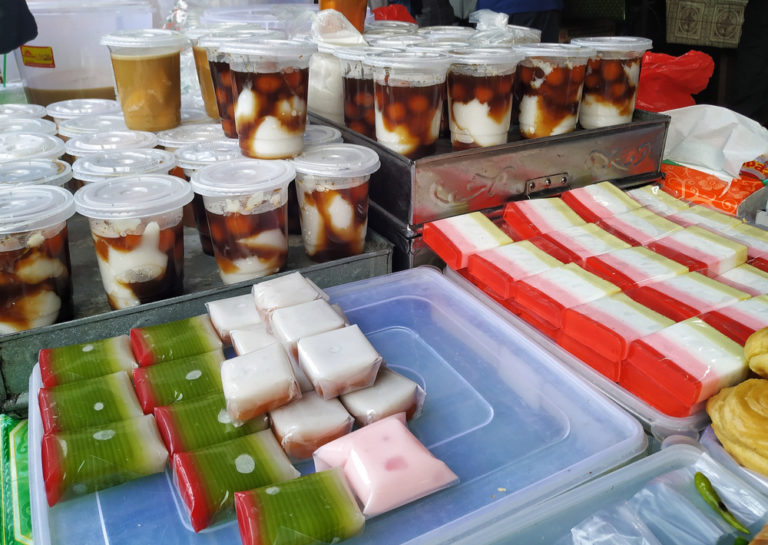
No Iftar is complete without a touch of sweetness. Indonesian Ramadhan culinary traditions offer a delightful array of desserts perfect for breaking the fast:
- Kolak: This ubiquitous dessert features bananas, or other fruits simmered in a creamy coconut milk sauce with palm sugar.
- Es Campur: A refreshing and vibrant treat, Es Campur translates to “mixed ice.” It’s a delightful concoction of shaved ice, jellies, fruits, condensed milk, and sometimes even grass jelly.
- Koleang-Kaling: Hailing from East Java, this dessert features a unique combination of shaved ice, palm sugar syrup, and a creamy coconut milk sauce.
- Bubur Sumsum: This delicate dessert is a steamed rice flour pudding with warm coconut milk sauce.
- Pisang Goreng: An Indonesian fried banana is a simple yet satisfying treat. It can be enjoyed plain or drizzled with honey, chocolate syrup, or condensed milk.
Beyond the Plate: The Significance of Sharing During Iftar
Indonesian Iftar goes beyond just a delicious meal. It’s a time for families and communities to gather, share stories, and strengthen bonds. Sharing food, known as “Ta’jil,” holds immense significance. During Ramadan, many families distribute extra portions of their Iftar meals to neighbours, particularly those less fortunate. This spirit of sharing exemplifies the core values of Ramadan: compassion, generosity, and empathy.
Embracing Culinary Traditions: Tips for Creating Your Own Indonesian Iftar
Feeling inspired to create your own Indonesian Iftar experience? Here are some tips:
- Explore Regional Delights: Feel free to experiment with regional specialities. Online resources and cookbooks offer a wealth of information on these diverse dishes.
- Start Simple: Begin with a few crowd-pleasers like Rendang Padang or Kolak. As you gain confidence, explore more intricate dishes.
- Embrace Fresh Ingredients: Indonesian cuisine relies heavily on fresh, seasonal ingredients. Explore a nearby farmer’s market to source the best produce and spices.
- Presentation Matters: Take time to present your Iftar spread with some flair. Use beautiful plates and serving dishes, and remember the flowers!
- Make it a Family Affair: Get your family involved in the preparation. This may provide an excellent opportunity to discover Indonesian culture and traditions.
By incorporating these elements, you can recreate the warmth and spirit of Indonesian Iftar in your own home. As you savour the delicious flavours and share a meal with loved ones, remember the true essence of Ramadan: togetherness, compassion, and gratitude.