Flores Island, nestled in Indonesia’s East Nusa Tenggara province, is renowned for its rich cultural heritage, stunning landscapes, and proximity to the famed Komodo Island. Recently, the island has garnered attention due to plans for extensive geothermal drilling, aiming to harness its substantial geothermal potential. While this initiative promises renewable energy benefits, it raises concerns about environmental impacts on Flores and neighboring regions, including Komodo Island and its delicate ecosystem.
Geothermal Potential of Flores Island
Designated as the “Geothermal Island” by Indonesia’s Ministry of Energy and Mineral Resources in 2018, Flores boasts significant geothermal resources. The island’s geothermal potential is approximately 402.5 megawatts of electricity (MWe), with only a fraction currently developed. Existing facilities include the Ulumbu (12.5 MWe) and Mataloko (2.5 MWe) power plants.
Also read Underwater Marvels: Scuba Diving in Komodo Island
Environmental Concerns and Indigenous Rights
The expansion of geothermal projects has sparked debates over environmental sustainability and Indigenous rights. Past projects, such as the one in Mata Loko, Ngada Regency, have reportedly led to ecological degradation, including drying rice fields within a two—to three-kilometre radius due to water resource depletion. Additionally, Indigenous communities have expressed concerns over land rights and the preservation of sacred sites, highlighting the need for inclusive decision-making processes.
Implications for Komodo Island and Its Ecosystem
Komodo Island, part of the Komodo National Park, is home to iconic dragons and diverse marine life. While the island is not a site for geothermal drilling, potential environmental impacts on Flores could indirectly affect the broader region, including Komodo Island. Changes in land use and water resources on Flores might influence marine ecosystems, affecting the habitats of species that traverse between the islands.
Tourism and Economic Considerations
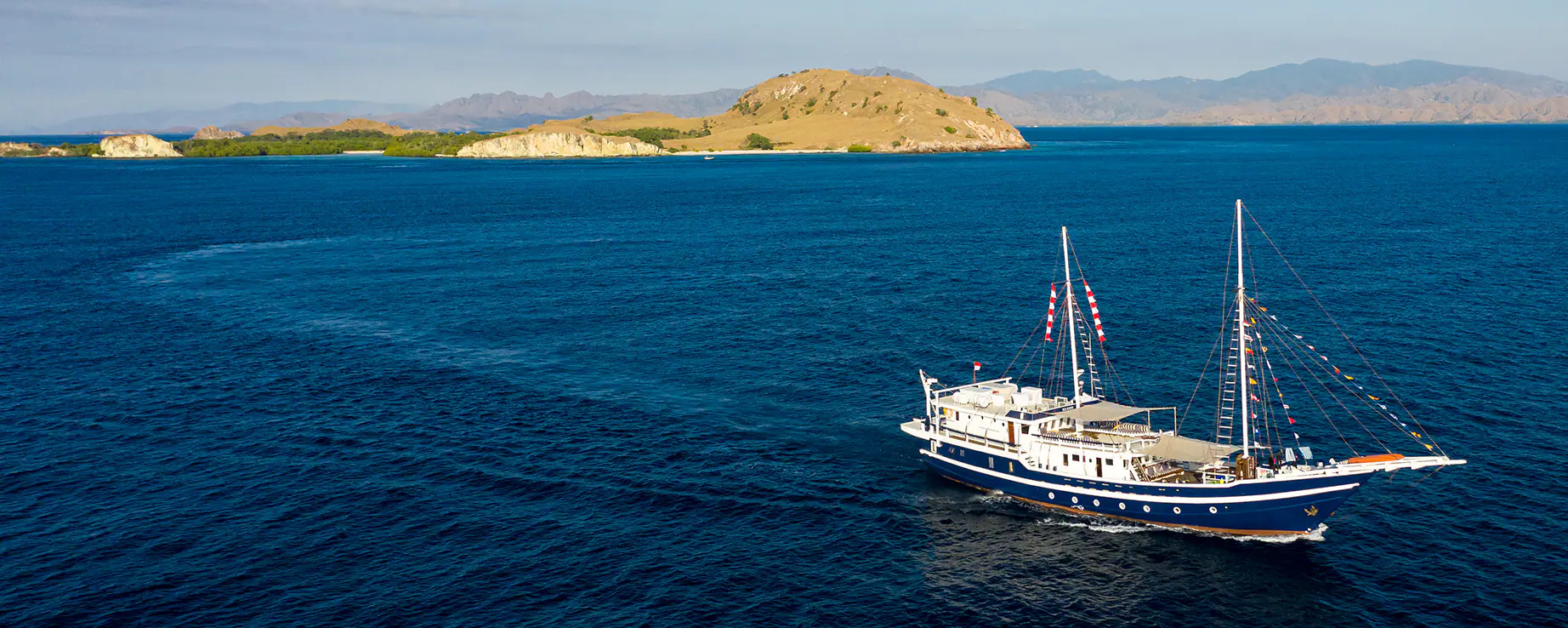
The allure of Komodo Island extends beyond its terrestrial wonders. The surrounding marine areas, including Padar Island, are popular destinations for liveaboard diving trips, attracting tourists worldwide. These excursions offer unique experiences, such as exploring vibrant coral reefs and encountering marine species like manta rays.
Although the natural environment in Flores is facing challenges, this could discourage tourists from visiting. Since the local economy depends a lot on eco-tourism, this could have a negative effect on the livelihoods of the people living there.
Balancing Development and Conservation
The challenge in advancing renewable energy is finding a balance between environmental conservation and community welfare. While geothermal energy serves as a cleaner alternative to fossil fuels, its development must respect ecological integrity and the rights of indigenous people. Conducting impact assessments, involving local communities, and adopting sustainable practices are essential for achieving this balance.
In short, while geothermal development on Flores Island presents opportunities for sustainable energy, it requires careful attention to environmental and social factors. Watching the natural beauty and ecological health of Flores, Komodo Island, and nearby areas is vital for preserving these unique ecosystems for future generations.